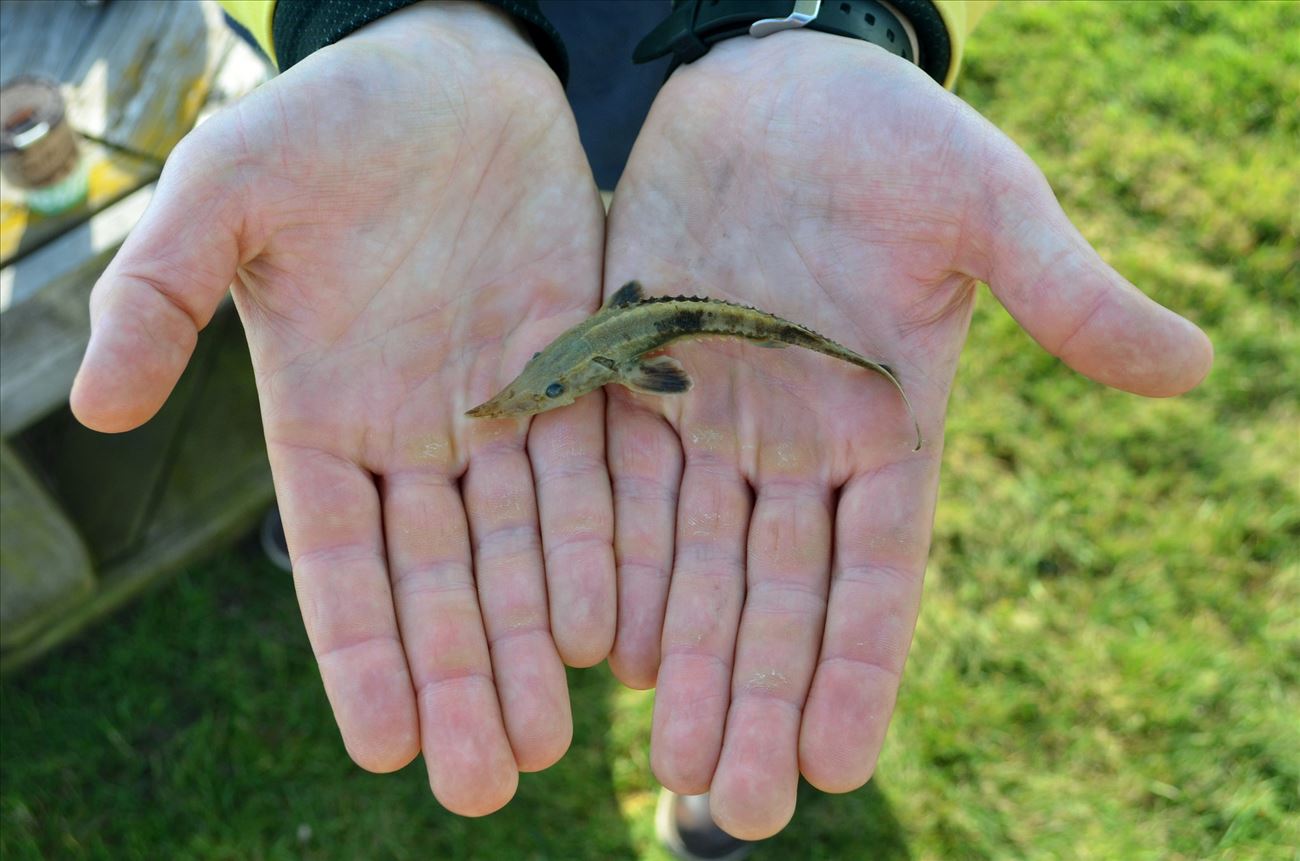
 The Great Lakes Fisheries Heritage Trail and related website is a story of people, places, fish, and fishing throughout Michigan - and across the Great Lakes region. It demonstrates how we relate to aquatic ecosystems, biodiversity, water quality, and environmental change. The fishery is the thread running throughout. Heritage sites across Michigan offer residents and visitors a unique opportunity to explore and experience the dynamic social, technological, and environmental changes throughout history that have shaped today’s fishery .
The Great Lakes Fisheries Heritage Trail reflects a network and partnership among museums and historical institutions, maritime heritage and fisheries sites, and government partners cooperating across Michigan and the Great Lakes region to promote and protect our rich fisheries history and heritage. The collective efforts of these partners is helping to preserve and interpret historical artifacts, enhance local communities and heritage-based tourism, and offer educational opportunities focusing on Great Lakes literacy and stewardship.
- Download an information page about the Great Lakes Fisheries Heritage Trail network and partnership.
- Download a poster for promoting the Great Lakes Fisheries Heritage Trail in your respective community.
Development of this site - and how you can get involved!
Funding for this project was provided, in part, by the Michigan Coastal Zone Management Program, Department of Environmental Quality Office of the Great Lakes and the National Oceanic and Atmospheric Administration, U.S. Department of Commerce; and supported by Michigan Sea Grant College Program, a collaborative effort of the University of Michigan, Michigan State University and the NOAA-National Sea Grant network.
The Lead Project Team facilitating website design and content development for this site includes: Jim Muratzki, Land information Access Association; Brandon Schroeder and Mark Breederland, Michigan Sea Grant/Michigan State University Extension; Laura Quackenbush, Great Lakes History and Interpretation consultant; Daniel Stewart, History by Design consulting; Laurie Sommers, Cultural Consulting; and Denise Cline, Karen Cole, and Theresa Huff, Northeast Michigan Council of Governments.
A collaborative Design Team reflecting federal, state, and local organizational partners and many dedicated individuals contributed countless hours of enthusiasm and expertise, design creativity, and content contributions. Design Team partners and organizations that contributed in bringing this site to life, include:
- Beaver Island Historical Society
- Besser Museum for Northeast Michigan
- Central Michigan University Institute of Great Lakes Research
- Central Michigan University Museum of Cultural and Natural History
- Cultural Consulting
- Fishtown Preservation Society
- Great Lakes Fishery Commission
- Great Lakes History and Interpretation (consulting)
- History by Design
- Land Information Access Association
- Library of Michigan
- Little Traverse Bay Bands of Odawa Indians
- Mackinac State Historic Parks
- Maine Sea Grant
- Michigan Fish Producers Association
- Michigan Department of Natural Resources
- Michigan Economic Development Commission
- Michigan History Center
- Michigan Maritime Museum
- Michigan Office of the Great Lakes
- Michigan Sea Grant
- Michigan State University Department of Community Sustainability
- Michigan State University Extension
- Michigan State University Museum
- NOAA Thunder Bay National Marine Sanctuary
- Northeast Michigan Council of Governments
- NPS Sleeping Bear Dunes National Lakeshore
- West Shore Fishing Museum
- Wisconsin Sea Grant
Email: glfisheriestrail@gmail.com if you would like to learn more, have ideas to share or simply want to get your organization or community involved with this network and partnership. This is a community-driven website - everyone's contributions to the Great Lakes Fisheries Heritage story are invited.